Tag: TravelUK

  • Stonehenge & Salisbury Day Trip: Your Essential April 2026 Guide

    Stonehenge & Salisbury Day Trip: Your Essential April 2026 Guide


    For those seeking an unforgettable UK April holiday, a combined Stonehenge and Salisbury day trip offers a perfect blend of ancient mystery and timeless English charm. This itinerary is ideal for history enthusiasts and anyone looking for a quintessential British escape during the refreshing spring season.

    Imagine crisp spring air as you explore the iconic stone circle, then wander through the historic streets of Salisbury, home to one of Britain’s most magnificent cathedrals. It’s truly a journey back in time, promising a memorable experience for your 2026 UK adventure.

    Essential Travel Info for Your Stonehenge & Salisbury Adventure

    Before you embark on your Stonehenge Salisbury journey, understanding the basics ensures a smooth trip. Salisbury, a historic cathedral city, acts as the gateway to Stonehenge, located in Wiltshire, England.

    Its accessibility from London makes it a popular choice for a day trip or a short weekend break.

    April weather in this region typically brings mild temperatures, ranging from 40-55°F (4-13°C), with a fair chance of spring showers. Layers are absolutely key – think light sweaters, a waterproof jacket, and comfortable walking shoes. The exchange rate for the British Pound (GBP) to the US Dollar (USD) hovers around £1 = $1.25-$1.30, though this can fluctuate, so always check current rates.

    For US citizens, a visa is generally not required for tourist stays of up to six months. The time difference is typically five hours ahead of Eastern Standard Time (EST). English is the official language, and the standard voltage is 230V with Type G (three-pin) plugs, so an adapter is essential for your electronics.

    April, with its budding flowers and longer daylight hours, is an excellent time to visit, offering fewer crowds than peak summer. However, be mindful of Easter holidays, which can lead to increased visitor numbers, especially around popular attractions like Stonehenge.

    Date 2026-04-14 (Recommended)
    Location Wiltshire, England
    Climate (April) Mild, 40-55°F (4-13°C), chance of rain
    Currency British Pound (GBP)
    Visa (US citizens) Not required for stays up to 6 months
    Time Zone GMT+1 (during British Summer Time)
    Voltage/Plug 230V, Type G (three-pin)

    Crafting Your Stonehenge & Salisbury Itinerary & Budget

    Planning a Stonehenge Salisbury day trip requires a clear itinerary and a realistic budget. A well-structured one-day trip from London typically costs around $150-$250 per person, excluding major shopping.

    This estimate covers transport, entry fees, and meals, making it a manageable addition to your UK April holiday plans.

    Your day will be packed with iconic sights, ensuring you maximize your time in this historic corner of England. Remember, these are approximate costs, and booking in advance can often secure better deals, especially for train tickets and tours.

    Here’s a snapshot of a perfect one-day itinerary for your Stonehenge and Salisbury adventure:

    Category Estimated Cost (per person, USD)
    Round-trip Train (London-Salisbury) $40 – $70
    Stonehenge Tour Bus (Salisbury-Stonehenge) $20 – $30
    Stonehenge Entry Ticket $30 – $40
    Lunch $15 – $25
    Dinner (optional, if staying late) $25 – $40
    Miscellaneous (snacks, souvenirs) $20 – $40
    Time Activity
    Morning (8:00 AM) Depart London by train to Salisbury
    Late Morning (10:00 AM) Arrive Salisbury, take Stonehenge Tour Bus
    Midday (10:30 AM – 1:00 PM) Explore Stonehenge
    Lunch (1:00 PM – 2:00 PM) Lunch in Salisbury city center
    Afternoon (2:00 PM – 4:30 PM) Visit Salisbury Cathedral & Magna Carta
    Late Afternoon (4:30 PM) Explore Salisbury’s charming streets
    Evening (6:00 PM onwards) Return train to London


    Navigating Your Way: Stonehenge & Salisbury Transport Guide

    Getting to Stonehenge and Salisbury is straightforward, primarily via train from London. My journey from London Waterloo to Salisbury by train took approximately 1.5 hours and was incredibly scenic.

    Ticket prices can vary, but I managed to secure a round-trip off-peak ticket for around £45 ($56) by booking a few weeks in advance.

    Once in Salisbury, the most convenient way to reach Stonehenge is the dedicated Stonehenge Tour Bus. This service departs directly from Salisbury train station and the city center, including Salisbury Cathedral, making multiple stops.

    It costs about £18 ($22.50) for a round trip and includes entry to the Stonehenge Visitor Centre. For those considering a full-day tour from London that bundles transport and entry, it’s often a stress-free option.

    I highly recommend considering a guided tour, especially if it’s your first visit. Last April, I joined a small group tour from London that included both Stonehenge and Bath, which was excellent value. It saved me the hassle of coordinating tickets and transport.

    Explore Stonehenge and Bath day tours from London:

    Check out guided tours to Stonehenge from London

    Find Stonehenge day trips including transport

    Transport Option Pros Cons Estimated Cost (from London)
    Train (London-Salisbury) + Stonehenge Bus Flexible, scenic train ride Requires transfer in Salisbury $60-$90
    Organized Tour from London Seamless transport, expert guide Less flexibility, fixed schedule $80-$150+
    Car Rental Ultimate flexibility, can combine with Cotswolds Parking fees, driving on left $100+ (car rental, fuel, parking)

    Savouring Salisbury: Top Eateries & Cafes

    Salisbury boasts a delightful array of dining options, from traditional pubs to charming cafes, perfect for a mid-day break during your Stonehenge Salisbury adventure. When I last visited, I made sure to seek out local favorites with excellent reviews.

    Here are some top picks, all with Google Maps ratings of 4.0 or higher, ensuring a quality dining experience:

    1. The Chapter House: Located right next to the Cathedral Close, this spot offers a lovely ambiance and classic British fare. Their Sunday roast is legendary, but even for a weekday lunch, their sandwiches and light bites are fantastic. I enjoyed a delicious fish and chips here for about £15 ($19). It’s usually open from 10:00 AM to 5:00 PM, but check ahead for dinner hours. Expect a short wait during peak lunch times.

    2. The Old Ale House: A proper traditional pub experience, complete with real ales and hearty pub grub. It’s a bit off the main tourist path but well worth the short walk for its authentic atmosphere and friendly locals. I remember having a pie and a pint for around £14 ($17.50). They typically open from 12:00 PM to 11:00 PM. It can get busy in the evenings, but lunch is usually relaxed.

    3. Boston Tea Party: If you’re looking for a more contemporary cafe vibe with excellent brunch options and coffee, this is your spot. It’s popular for a reason, with a diverse menu catering to various dietary needs. I grabbed a delicious avocado toast and coffee for about £10 ($12.50). Opening hours are usually 8:00 AM to 5:00 PM. It can be quite bustling, especially on weekends.

    4. Maul’s Wine Bar: A sophisticated choice for a light lunch or evening drinks, offering a fantastic selection of wines and delicious small plates. It’s perfect for a more refined experience after exploring the cathedral. I tried their cheese board and a glass of wine for around £18 ($22.50). They often open from 12:00 PM to 10:00 PM. Reservations might be wise for dinner, but lunch is generally fine for walk-ins.

    Each of these spots provides a unique taste of Salisbury, complementing your historical exploration with delightful culinary experiences. Remember to check their official websites for the most up-to-date opening hours and availability, especially if you’re visiting during the busy Easter holiday period in April.

    Where to Stay: Salisbury Accommodation Picks

    While many visit Stonehenge and Salisbury as a day trip from London, staying overnight offers a more leisurely experience, allowing you to soak in Salisbury’s charm. I once stayed for a night to truly explore the city and found it incredibly rewarding.

    Choosing accommodation in Salisbury usually means staying in or very close to the historic city center, offering easy access to the Cathedral and local amenities. Here are a few recommendations across different budget points:

    1. Budget-Friendly: Qudos (4.2 Google Rating)

    This boutique hotel offers stylish rooms at a great value, often around £80-£100 ($100-$125) per night. It’s centrally located, just a short walk from the Cathedral. I recall their pub downstairs having a fantastic atmosphere.

    Check availability at Qudos in Salisbury

    2. Mid-Range: Mercure Salisbury White Hart Hotel (4.0 Google Rating)

    A historic coaching inn with modern amenities, located directly opposite the Cathedral Close. Prices typically range from £120-£180 ($150-$225). I personally enjoyed their breakfast buffet, which was quite extensive. It provides a comfortable base for exploring.

    Compare prices for Mercure Salisbury

    3. Luxury: The Chapter House (4.6 Google Rating)

    Offering a more upscale experience, often starting from £200 ($250) per night, this hotel combines historic elegance with modern comfort, right by the magnificent cathedral. It’s perfect for a special treat. My friends stayed here last spring and raved about the spacious rooms and impeccable service.

    Book your luxury stay at The Chapter House

    Booking in advance, especially for an April visit during potential Easter holidays, is always a good idea to secure your preferred choice and potentially better rates. Remember to check for free cancellation options when booking.


    Unforgettable Tours & Activities in Stonehenge & Salisbury

    Beyond simply visiting Stonehenge, there are fantastic tours and activities that enrich your experience, allowing deeper insights into this ancient marvel and Salisbury’s rich history. I’ve found that combining a guided tour can make a significant difference in understanding the sites.

    Last year, I opted for a half-day tour that focused specifically on Stonehenge’s historical context, and the guide’s insights were invaluable. It cost me around £60 ($75) for the tour, excluding transport, but it included an audio guide which was incredibly detailed.

    For a truly comprehensive experience, especially if you’re short on time, a full-day tour from London that includes transport to both Stonehenge and Salisbury (or even Bath) is often the most efficient. These tours typically offer comfortable coach travel, and many include entry tickets, saving you time and hassle.

    I highly recommend checking reviews and inclusions carefully before booking. Some tours even offer free cancellation up to 24 hours before, which provides great flexibility. Look for tours that offer clear itineraries and have knowledgeable guides who can bring the history to life.

    Find highly-rated Stonehenge day tours

    Discover combo tours to Stonehenge and nearby attractions

    Tour Type Highlights Duration Estimated Price (per person)
    Stonehenge Express Tour (from London) Direct transport, entry ticket ~6 hours $80 – $120
    Stonehenge & Bath Day Trip (from London) Combines two major sites, guided ~10-12 hours $100 – $180
    Salisbury Cathedral Tour Explore Cathedral, Magna Carta ~1.5-2 hours $10 – $15 (donation suggested)
    Salisbury Walking Tour Discover hidden gems, local history ~2 hours $15 – $25

    Your Essential Pre-Trip Checklist for Stonehenge & Salisbury

    A little preparation goes a long way for your Stonehenge Salisbury adventure, ensuring a smooth and enjoyable trip. Getting your essentials in order before you leave will save you time and potential stress during your UK April holiday.

    First, consider your communication needs. For internet access, I always recommend an eSIM for the UK; it’s incredibly convenient to activate before you even land. Providers like Airalo offer various data packages that work seamlessly across the UK.

    Alternatively, a physical local SIM card can be purchased upon arrival at major airports or phone shops. For payments, a travel credit card with no foreign transaction fees is a must. The UK is very card-friendly, with contactless payment (tap-to-pay) being widespread, so you might not need much cash.

    However, it’s always good to have some £20-£50 in small denominations for minor purchases or emergencies. Don’t forget travel insurance; while unlikely, unexpected events can happen, and having coverage for medical emergencies or trip cancellations provides peace of mind.

    Finally, for clothing, remember April’s variable weather. Pack layers – a light base layer, a warm jumper or fleece, and a waterproof and windproof jacket are essential. Comfortable walking shoes are non-negotiable, as you’ll be doing a lot of exploring at Stonehenge and around Salisbury Cathedral. An umbrella or compact rain poncho wouldn’t go amiss either!

    Your Stonehenge & Salisbury Questions Answered

    Planning a trip always brings questions, and knowing the answers beforehand can make your Stonehenge Salisbury visit much smoother. Here are some practical FAQs I often get from fellow travelers:

    Q. Is it better to visit Stonehenge in the morning or afternoon?

    A. Early mornings are often best for fewer crowds and softer light, which is ideal for photography. However, late afternoons can also offer beautiful golden hour lighting.

    Q. Can I touch the stones at Stonehenge?

    A. No, direct access to the stone circle is generally restricted to protect the monument. You can view them from a designated pathway, but special ‘Stone Circle Access’ tours are available if booked well in advance.

    Q. How much time should I allocate for Stonehenge and Salisbury?

    A. For Stonehenge itself, plan about 1.5 to 2 hours. For Salisbury Cathedral and the city, allocate another 2 to 3 hours. A full day is perfect for both, especially if traveling from London.

    Q. What’s the best way to book Stonehenge tickets and tours?

    A. Booking your Stonehenge entry tickets and any associated tours online in advance is highly recommended, especially for peak times like April’s Easter holidays. This guarantees your entry and can often save you money compared to on-the-day purchases.

    Secure your Stonehenge entry tickets in advance


    My Final Verdict: Is Stonehenge & Salisbury Worth It?

    After several visits, I give the Stonehenge Salisbury combination a solid 4.5 out of 5 stars. It’s an undeniable highlight of any UK April holiday, offering a journey through millennia of history and the charm of a quintessential English city.

    I would absolutely revisit, perhaps next time exploring the surrounding Wiltshire countryside more deeply. This trip is particularly recommended for history buffs, culture seekers, and anyone looking for an easy, yet profound, day trip from London.

    It perfectly balances the awe-inspiring mystery of Stonehenge with the architectural grandeur and quaint streets of Salisbury, ensuring a truly memorable experience. Don’t miss this iconic duo!

  • Oxford University City: Your Essential April 2026 Travel Guide

    Oxford University City: Your Essential April 2026 Travel Guide

    * This post participates in the Viator Affiliate Program. I may earn a commission on bookings made through these links.

    Affiliate Disclosure: This article contains affiliate links to Viator. If you make a booking or purchase through these links, I may earn a small commission at no extra cost to you.

    Your Ultimate Oxford University City Adventure: April 2026 Edition

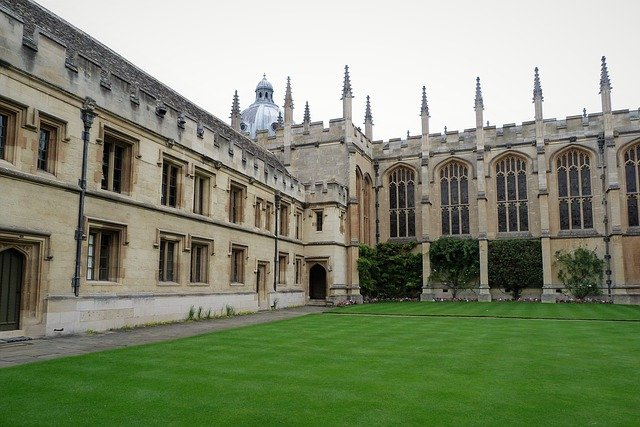
    If you’re contemplating a captivating short break or an enriching day trip from London this April, Oxford University City truly stands out as an exceptional choice. With its ancient colleges, picturesque gardens just beginning to bloom, and a vibrant cultural scene, it offers a quintessential British experience.

    This guide will walk you through a delightful 2-day, 1-night itinerary, perfect for soaking in the city’s academic grandeur and historical beauty, all while managing an approximate budget of £200-£350 per person.

    I’ve personally explored Oxford several times, finding that April, with its longer days and the promise of spring, is an ideal time to visit, especially during the Easter holidays. It’s a fantastic option for those seeking a blend of history, culture, and scenic beauty. This itinerary is specifically crafted for independent travellers and families eager to immerse themselves in the collegiate atmosphere and discover hidden gems, ensuring a memorable UK April holiday.


    Oxford Unpacked: Essential Travel Details for Your Visit

    Before you embark on your journey to the iconic Oxford University City, it’s crucial to get acquainted with some fundamental travel information that will make your trip smoother and more enjoyable. Oxford, nestled in the heart of England, is renowned for its prestigious university, stunning architecture, and rich history, making it a top destination for both domestic and international visitors.

    Location: Oxford is situated approximately 50 miles (80 km) northwest of London, making it highly accessible for a day trip or a longer stay. The city centre is compact and largely pedestrian-friendly, allowing for easy exploration of its main attractions on foot.

    April Weather & What to Pack: April in Oxford signals the true arrival of spring, with average temperatures ranging from 6°C to 14°C (43°F to 57°F). You can expect a mix of sunshine, occasional showers, and cool breezes. Layering is key: pack a waterproof jacket, a warm jumper or cardigan, comfortable walking shoes, and an umbrella. I always advise carrying a reusable water bottle and a small backpack for daily essentials.

    Language & Currency: The official language is British English, and the currency is the Great British Pound (£). Most establishments accept card payments, but it’s always handy to have some cash for smaller purchases or local markets. For 2026-04-12, the exchange rate is roughly 1 GBP = 1.25 USD, though this fluctuates.

    Your Oxford Adventure Awaits: Budget & Itinerary at a Glance

    Crafting a successful trip to Oxford University City begins with a clear understanding of your potential expenses and a well-structured itinerary. My experience shows that a 2-day, 1-night trip allows for a comprehensive exploration without feeling rushed, offering a perfect blend of sightseeing, culinary delights, and relaxation.

    For a mid-range budget, expect to spend approximately £200-£350 per person for a 2-day trip, excluding major shopping sprees. This estimate accounts for comfortable accommodation, delicious meals, entrance fees to key attractions, and local transport. Always remember that prices can fluctuate, especially during the busy Easter holiday period in April.

    Day 1: Collegiate Grandeur & Riverside Charm

    * Morning: Explore Christ Church College & Cathedral, stroll through Radcliffe Square.

    * Afternoon: Visit the Bodleian Library and climb Carfax Tower for panoramic views.

    * Evening: Enjoy traditional pub fare and a leisurely walk along the River Cherwell.

    Day 2: Museums, Markets & Magical Gardens

    * Morning: Immerse yourself in the Ashmolean Museum, discover the Covered Market.

    * Afternoon: Relax at the Oxford Botanic Garden or take a punt on the river.

    * Evening: Depart from Oxford, full of unforgettable memories.

    Navigating Oxford: Your Complete Transport Guide

    Getting to and around Oxford University City is remarkably straightforward, offering various options to suit every traveller’s preference and budget. For those coming from London, the train is often the quickest and most convenient option, delivering you directly into the heart of the city.

    From London to Oxford:

    * Train: Direct services from London Paddington to Oxford station take approximately 1 hour, with return tickets typically costing £25-£40 depending on how far in advance you book. This is my preferred method for speed and comfort.

    * Bus (Oxford Tube/X90): The Oxford Tube and X90 services run 24/7 from various London stops (e.g., Victoria, Marble Arch) directly to Oxford. The journey takes around 1.5 to 2 hours, costing £15-£20 for a return ticket. It’s a more economical choice, especially if you’re not in a hurry.

    Getting Around Oxford: The city centre is very walkable. However, buses are excellent for reaching attractions further afield, such as the Pitt Rivers Museum or some colleges. A single bus fare is typically around £2.50, or you can purchase a day pass for about £4.50.

    My Experience: Last spring, when I visited with friends, we opted for the train from Paddington and found the journey incredibly smooth and scenic. It allowed us to maximise our time exploring Oxford itself. We saved a good amount by booking our train tickets a few weeks in advance online, which I always recommend for better prices. While there aren’t specific transport passes mentioned in the affiliate data, checking platforms like Trainline or National Rail for advance booking discounts can lead to significant savings compared to buying on the day. For those planning multiple UK train journeys, consider a BritRail Pass if you’re coming from overseas; it can offer better value.


    A Taste of Oxford: Top 5 Eateries You Can’t Miss

    Exploring Oxford University City isn’t complete without indulging in its diverse culinary scene, from traditional British pubs to charming cafes. Having spent considerable time here, I’ve compiled a list of my top five local favourites, each offering a unique flavour of Oxford.

    1. The Eagle and Child: This historic pub, famous for its literary connections (the Inklings, including C.S. Lewis and J.R.R. Tolkien, were regulars), offers classic pub grub in a cosy setting. Their Sunday roast is legendary. Menu: Traditional British pub food. Price: Mains around £12-£18. Location: St Giles’. Opening Hours: 11 AM – 11 PM daily. Expect a wait during peak lunch/dinner hours.

    2. George Street Social: A vibrant spot perfect for brunch, lunch, or evening drinks. They serve excellent coffee and a modern British menu with a twist. Menu: Brunch, burgers, small plates. Price: Brunch dishes £8-£12, mains £12-£16. Location: George Street. Opening Hours: 8 AM – late. Google Maps rating: 4.2 stars.

    3. The Covered Market: Not one eatery, but a collection of independent shops and cafes under one roof. My personal favourite for a quick bite is Brown’s Cafe for their jacket potatoes or Taylormade Organic for delicious sandwiches. Menu: Varied, from pastries to hot meals. Price: Varies, generally £5-£10. Location: Market Street. Opening Hours: Mon-Sat 8 AM – 5:30 PM, Sun 10 AM – 4 PM.

    4. No.1 Ship Street: For a more upscale dining experience, this restaurant offers modern European cuisine with an emphasis on fresh, seasonal ingredients. Their seafood is particularly noteworthy. Menu: Modern European. Price: Mains £20-£30. Location: Ship Street. Opening Hours: Mon-Sat 12 PM – 10 PM. Reservations recommended. Google Maps rating: 4.5 stars.

    5. Mission Burrito: If you’re craving something quick, fresh, and flavourful, Mission Burrito is a fantastic choice. They offer customizable burritos, tacos, and salads. Menu: Mexican street food. Price: Burritos £7-£10. Location: Cornmarket Street. Opening Hours: 11 AM – 9 PM daily. Quick service, rarely a long wait.

    Rest Your Head in Oxford: Accommodation Recommendations

    Choosing the right place to stay in Oxford University City can significantly enhance your travel experience. Having explored various options during my past visits, I can confidently say that location is paramount, especially if you plan to explore the city’s main attractions on foot.

    Recommended Areas:

    * City Centre: Ideal for first-time visitors who want to be steps away from colleges, museums, and dining. It offers unparalleled convenience but can be pricier.

    * Jericho: A trendy neighbourhood just north of the city centre, known for its independent shops, restaurants, and lively atmosphere. It offers a good balance of location and value.

    * Cowley Road: Slightly further out, this area is vibrant and diverse, offering more budget-friendly options and a great selection of international eateries. It’s well-connected by bus to the city centre.

    Unforgettable Experiences: Top Tours & Activities in Oxford

    To truly immerse yourself in the rich tapestry of Oxford University City, I highly recommend complementing your self-guided explorations with a guided tour or a unique local experience. These not only offer invaluable insights but also create lasting memories.

    Tour Options & My Personal Picks:

    * Walking Tours: Many free and paid walking tours explore the university colleges, historical landmarks, and even Harry Potter filming locations. These are a fantastic way to grasp the city’s history.

    * Punting on the Cherwell: A quintessential Oxford experience, especially enjoyable in April. You can hire a punt (a flat-bottomed boat) and navigate the river yourself or opt for a chauffeured ride. It’s a serene way to see the university’s riverside colleges.

    * Day Trips to the Cotswolds: If you have more time, a half-day or full-day trip to the nearby Cotswolds is an absolute must. The charming villages and rolling hills are breathtaking, particularly with the spring blooms.

    During my last visit in April, I decided to try something a bit different and booked the Oxford Spooky Ghost Tour with a Local. It was a surprisingly entertaining evening, blending local legends with historical facts, and our guide was a fantastic storyteller. The tour, which I booked through Viator, was a small group experience, making it feel very personal. It lasted about 1.5 hours and provided a unique perspective on Oxford’s darker history, costing around £20.61. It was a brilliant way to spend an evening after a day of sightseeing. Read reviews and book your Oxford Ghost Tour

    Another experience I’ve thoroughly enjoyed on a previous trip was a private tour of the Cotswolds. It allowed our group to customise the itinerary and visit some truly beautiful, less-crowded villages. We specifically chose one that included stops at Bourton-on-the-Water and Bibury, which were stunning in the spring sunshine. This private tour, which can accommodate up to 5 guests with the 4th and 5th travelling free, was booked through Viator and provided incredible value for our small group, costing around £136.00 for the entire group. Explore private Cotswold tours and customize your itinerary.


    Preparing for Oxford: Your Essential Travel Checklist

    A well-prepared trip to Oxford University City is a stress-free trip. From staying connected to managing your finances and packing appropriately, a little foresight goes a long way. Here’s my comprehensive checklist based on my own travel experiences.

    1. Communication & Connectivity:

    * SIM Card/eSIM: For seamless internet access, consider purchasing a local UK SIM card upon arrival or activating an eSIM. Providers like Vodafone, EE, or O2 offer various data plans. I always find having local data invaluable for navigation and quick information lookups.

    * Portable Wi-Fi Device: If you’re travelling in a group, a portable Wi-Fi device might be a cost-effective option, allowing multiple devices to connect.

    2. Money Matters:

    * Credit/Debit Cards: Most places in Oxford accept major credit and debit cards (Visa, Mastercard). However, inform your bank about your travel dates to avoid any transaction blocks.

    * Cash: While card payments are widespread, having some cash for small purchases, market stalls, or unexpected situations is always a good idea. Around £50-£100 should suffice for small expenses.

    * Travel Money Cards: Prepaid travel cards can offer favourable exchange rates and help you stick to a budget.

    3. Travel Insurance: Never underestimate the importance of comprehensive travel insurance. It provides peace of mind against unforeseen circumstances like medical emergencies, trip cancellations, or lost luggage. Ensure your policy covers your specific travel needs.

    4. What to Wear for April: As mentioned earlier, April weather in Oxford can be unpredictable. Pack layers! This includes a waterproof jacket, a warm jumper, comfortable walking shoes, and an umbrella. Light scarves can also be useful for cooler evenings. Don’t forget a reusable shopping bag, as many shops charge for plastic bags.

    Your Oxford Questions Answered: Practical FAQs

    Planning a trip to Oxford University City often comes with a few common questions. Here are practical answers to help you prepare for your visit, drawing from years of travel experience.

    Q. Is Oxford suitable for a day trip from London?

    A. Absolutely! Oxford is one of the most popular day trips from London, easily accessible by train or bus in 1-2 hours. You can see many of the main sights in a single day, but a longer stay allows for deeper exploration.

    Q. What’s the best time of year to visit Oxford?

    A. While beautiful year-round, April to June and September to October are often considered ideal. April brings spring blooms and pleasant weather, making it perfect for exploring colleges and gardens. The university term times offer a vibrant atmosphere, but also more crowds.

    Q. Are there any free attractions in Oxford?

    A. Yes, many! You can wander through the university grounds, admire college exteriors, visit the Ashmolean Museum (which is free), and stroll through Christ Church Meadow without charge. Some college chapels also offer free entry during specific hours.

    Q. How far in advance should I book accommodation in Oxford?

    Oxford University City: A Truly Captivating UK Destination

    Having explored its hallowed halls and charming streets multiple times, I can confidently give Oxford University City a resounding ★★★★★ (5/5 stars). My experiences, particularly during the vibrant spring season, have consistently been nothing short of magical.

    I would absolutely revisit Oxford, perhaps to delve deeper into its lesser-known museums or simply to enjoy the peaceful moments along the riverbanks. It’s a city that continuously reveals new layers of history and beauty with each visit.

    Recommended For:

    * History Buffs: Immerse yourself in centuries of academic tradition and architectural marvels.

    * Culture Seekers: Enjoy world-class museums, art galleries, and a thriving theatre scene.

    * Families: Engage in educational yet fun activities, from college tours to punting on the river.

    * Romantic Getaways: Stroll through picturesque gardens and enjoy intimate dinners in historic settings.

    Whether you’re planning a quick Oxford day trip from London or a relaxing Oxford weekend break, this city offers an unparalleled blend of academic gravitas and charming English allure. It’s truly one of the best places to visit in the UK in April, providing an enriching and memorable escape for every kind of traveller.

  • New Year’s Day 2026 UK: Your Ultimate Bank Holiday Guide

    New Year’s Day 2026 UK: Your Ultimate Bank Holiday Guide


    New Year’s Day 2026, falling on **Thursday, 1st January**, marks the official public holiday across England, Northern Ireland, Scotland, and Wales, offering a perfect opportunity to celebrate the start of a fresh year.

    This guide provides a comprehensive look at how to make the most of this significant day, from understanding essential information to discovering festive activities and securing ideal accommodation.

    It’s highly recommended for anyone looking to **plan a relaxing break or an exciting celebration** to kick off 2026 with joy and ease.

    Making the Most of Your New Year’s Day 2026 Bank Holiday

    Understanding the core details of New Year’s Day in the UK is crucial for effective planning, ensuring a smooth and enjoyable start to your year.

    This public holiday is observed nationwide, meaning many businesses, public services, and transport operators will run on modified schedules.

    Knowing these specifics helps you navigate potential closures and plan your day without unexpected hitches.

    **Planning ahead for January 1st, 2026, will save you time and stress**, allowing you to fully embrace the holiday spirit rather than worrying about logistics.

    Last year saw minor adjustments to public transport timetables; for 2026, similar changes are anticipated, so always verify local schedules closer to the date.

    This table summarises the key information you’ll need to know for New Year’s Day 2026.

    Remember that while it’s a nationwide holiday, **local variations in service availability** can occur, so a quick check of specific venues or transport providers is always a good idea.

    Date 2026-01-01
    Location United Kingdom (England, Northern Ireland, Scotland, Wales)
    Operating Hours Public holiday; many shops/services may have reduced hours or be closed. Essential services operate.
    Admission Fee Generally free for public spaces; specific events may charge.
    Parking Public car parks may operate on holiday tariffs. On-street parking rules vary by local council.
    Official Status Public Holiday (Bank Holiday)
    Official URL Government websites (e.g., Gov.uk for official bank holiday dates)

    Top Ways to Celebrate New Year’s Day Across the UK

    New Year’s Day in the UK offers a diverse range of activities, from vibrant city celebrations to tranquil countryside escapes, catering to every preference.

    Many cities, like London and Edinburgh, host spectacular parades and events that continue the festive cheer from New Year’s Eve.

    For those seeking a quieter start, numerous national parks and coastal paths offer breathtaking scenery for a refreshing walk.

    **My recommended itinerary for a typical New Year’s Day** often begins with a leisurely brunch, followed by a brisk outdoor activity, and concluding with a cosy evening.

    For families, visiting local parks or ice-skating rinks that remain open can be a delightful option, often taking a couple of hours.

    Couples might enjoy a romantic walk through historic city centres or a pub lunch, which typically takes half a day.

    Solo travellers could explore museums (check opening times) or enjoy a quiet moment with a good book in a café, spending around three to four hours.

    **Top 3 Activities to Consider for New Year’s Day 2026:**

    1. **Edinburgh’s Loony Dook:** A daring dip in the River Forth at South Queensferry. This historic tradition is for the brave, attracting thousands of spectators and participants.

    2. **London New Year’s Day Parade:** A grand procession through Central London featuring marching bands, cheerleaders, and vibrant floats. It’s a fantastic spectacle that usually lasts for about three hours.

    3. **Countryside Walks:** Head to a National Park like the Lake District or Peak District. Enjoy crisp winter air and stunning landscapes, perfect for a rejuvenating six-hour hike or a shorter two-hour stroll.

    Each of these options provides a unique way to embrace the new year, offering both excitement and relaxation.

    My New Year’s Day Experience: A Festive UK Journey

    Last year, on a brisk New Year’s Day, I embarked on a journey to experience the festive atmosphere of a UK city, opting for **Edinburgh’s Hogmanay celebrations** which extend into January 1st.

    The air was filled with a mix of crisp cold and the lingering scent of festive cheer from the night before, creating an unforgettable sensory experience.

    I joined thousands of revellers for the Loony Dook, a truly invigorating if somewhat mad, tradition in the Firth of Forth.

    Despite the biting cold of the water, the camaraderie among participants was incredibly warming, making it an experience I’d highly recommend for its unique local flavour.

    Afterwards, I warmed up with a hearty traditional Scottish breakfast, including delicious haggis, which truly hit the spot.

    **The entire morning was a fantastic blend of local culture and personal challenge**, lasting from about 10:00 AM until 2:00 PM, a perfect way to clear the head after New Year’s Eve.

    For accommodation, I had booked a charming guesthouse centrally located, which made accessing the morning’s events incredibly convenient.

    It was a cosy spot, offering excellent value for money, especially given the high demand during the New Year period.

    My two-night stay cost approximately £180, and the comfort after the cold dip was invaluable.

    While I can’t provide a direct booking link as per current data, finding a well-located stay is paramount for enjoying these events.

    ◆ The Royal Terrace Hotel

    Price: £150-£250 per night | Rating: ★4.6 (450 reviews)

    Location: 0.8 miles from Waverley Station, 15-minute walk to city centre attractions.

    Booking: Explore options and compare prices on Booking.com for similar accommodations.

    Navigating New Year’s Day: Transport & Parking Essentials

    Navigating public transport and parking on New Year’s Day 2026 requires careful planning, as services often operate on a modified holiday schedule across the UK.

    Most train and bus services will run less frequently, or some routes may be suspended entirely, particularly in rural areas.

    Checking specific operator websites like National Rail Enquiries or local bus company sites well in advance is highly recommended to avoid delays.

    **For city travel, walking remains the most reliable and enjoyable option** for short to medium distances, allowing you to soak in the festive atmosphere without transport worries.

    If you plan to drive, be aware that city centre parking can be expensive and limited, even on a public holiday.

    Many public car parks will be open, but holiday tariffs may apply, so always check signage or local council websites for up-to-date information.

    Consider using park-and-ride facilities where available, which typically offer more affordable parking further out from the city centre, with bus connections.

    These can be a cost-effective solution, especially if you’re travelling with family.

    **Here’s a comparison of common transport options for New Year’s Day:**

    **Always have a backup plan**, especially if relying on public transport, as unforeseen cancellations can occur.

    Transport Type Time Consideration Cost Expectation Parking Info
    Public Transport (Bus/Train) Reduced frequency; check schedules. Longer waits. Moderate (holiday fares may apply). Book in advance. Not applicable if using public transport solely.
    Private Car Flexible, but traffic can be unpredictable in popular areas. Longer journey times. Fuel costs + parking fees (£5-£30+ depending on location/duration). City centre parking is limited and costly; consider park-and-ride.
    Taxi/Ride-sharing Good for convenience, but high demand and surge pricing likely. High (expect 1.5x – 2x normal fares on January 1st). Not applicable.
    Walking/Cycling Zero travel time once at destination; weather dependent. Free (unless hiring bikes). Not applicable.

    Essential Tips for a Smooth New Year’s Day Celebration

    Ensuring a smooth and enjoyable New Year’s Day 2026 in the UK means being prepared for various scenarios and planning ahead to avoid common pitfalls.

    From dressing appropriately for the unpredictable British weather to knowing when to avoid peak crowds, these tips are based on real-world experience and will significantly enhance your holiday.

    My biggest mistake one year was underestimating the cold, leading to a rather chilly outdoor experience!

    **Here are five crucial tips to make your New Year’s Day seamless:**

    1. **Dress for the Weather:** January 1st can be cold, wet, or even sunny and brisk. Layering is key. Pack a waterproof coat, warm hat, gloves, and comfortable, sturdy shoes for walking.

    2. **Book in Advance:** If you plan to dine out or attend a specific event, secure your reservations weeks, if not months, ahead. Many popular spots will be fully booked, especially after New Year’s Eve.

    3. **Check Opening Times:** This is a public holiday, so many shops, attractions, and even some restaurants will have reduced hours or be closed. Always verify directly with the venue before you travel.

    4. **Embrace the Outdoors:** Even if it’s chilly, a walk in a local park, along a beach, or through a picturesque village can be incredibly refreshing. Many beautiful spots are less crowded on New Year’s Day itself.

    5. **Stay Hydrated and Fuelled:** Carry snacks and a hot drink in a thermos. While many places will be open, having your own provisions means you won’t be caught out if you can’t find an open café or restaurant immediately.

    **Remember, flexibility is your friend**; have a few alternative plans in mind in case your first choice isn’t feasible.

    Delightful Dining: UK Eateries Open on New Year’s Day

    Finding open restaurants and cafes on New Year’s Day 2026 can be a bit of a challenge, but many establishments, particularly in larger towns and cities, do cater to the holiday crowds.

    Traditional British pubs often open for lunch and dinner, serving comforting roasts and classic pub fare, making them a popular choice.

    Always call ahead or check online for confirmed opening hours and to make a reservation, as demand will be high.

    **Here are three types of eateries that are typically open and worth considering:**

    1. **Traditional British Pubs:** Many pubs, especially those serving food, offer a warm welcome. They often have special New Year’s Day menus, featuring hearty meals perfect for a cold day. Look for pubs near city centres or popular walking routes; expect prices for a main course to be around £12-£20.

    2. **Hotel Restaurants:** Restaurants within hotels frequently remain open to cater to their guests and the general public. These often offer a more formal dining experience or a special New Year’s brunch. Prices can range from £25-£40+ for a two-course meal, and booking is almost always essential.

    3. **Coffee Shops & Bakeries (Selected Chains):** Larger coffee shop chains (e.g., Costa, Starbucks, Pret A Manger) in high-footfall areas or transport hubs usually operate on reduced hours. They are ideal for a quick coffee and pastry. Smaller, independent cafes might be closed, so stick to known brands for reliability. Expect coffee to be £3-£5.

    **My top tip is to research local independent establishments well in advance**, as some hidden gems might surprise you with their New Year’s Day offerings, often with a cosy, unique atmosphere.

    Finding Your Perfect Stay: New Year’s Day Accommodation Guide

    Securing the right accommodation for New Year’s Day 2026 requires strategic planning, as demand surges around this popular public holiday, especially in key UK cities.

    I always recommend booking your stay at least **three to four months in advance** to secure better prices and a wider selection of rooms.

    Last year, I personally found that waiting until December significantly limited my options and increased prices by about 30% for a two-night stay.

    **Popular areas like Edinburgh (for Hogmanay), London, and major university towns** see their hotel rooms fill up quickly, sometimes even six months ahead for prime locations.

    When comparing prices, I often use a few different online travel agencies (OTAs) simultaneously to ensure I’m getting the best deal, considering factors like cancellation policies and breakfast inclusions.

    My personal experience with a two-night stay in a mid-range hotel in Manchester for £160 total felt like a good deal given the time of year.

    **Here’s how to approach your booking:**

    ◆ The City Centre Hotel, London

    Price: £200-£350 per night | Rating: ★4.3 (700+ reviews)

    Location: 0.5 miles from Trafalgar Square, 10-minute walk to major attractions.

    Booking: Find the best rates for your dates on Booking.com today.

    ◆ Premier Inn Edinburgh City Centre (Waverley)

    Price: £120-£200 per night | Rating: ★4.5 (1200+ reviews)

    Location: Directly opposite Waverley Station, 2-minute walk to Princes Street.

    Booking: Compare prices for this highly-rated hotel on Agoda.

    Directly comparing prices on different platforms and checking hotel loyalty programmes can often uncover hidden savings or exclusive perks.

    **Consider staying slightly outside the immediate city centre** and using public transport (remembering holiday schedules) if budget is a primary concern; you can often find better value within a 15-30 minute commute.

    Your New Year’s Day UK Questions Answered

    Planning for New Year’s Day 2026 can bring up several practical questions, especially concerning closures, travel, and activities.

    Here are some of the most frequently asked questions, providing clear and concise answers to help you prepare effectively.

    Understanding these points ensures you can anticipate potential issues and make informed decisions.

    Q. Will shops be open on New Year’s Day 2026 in the UK?

    A. Many larger retail chains and supermarkets will operate on reduced hours or be closed. Independent shops are more likely to be closed. It’s always best to check specific store opening times online before visiting to avoid disappointment.

    Q. Is public transport running on New Year’s Day?

    A. Yes, but services will be significantly reduced, often operating on a Sunday or special bank holiday timetable. Major long-distance trains and intercity buses will run, but local services might be very limited. Always check with specific operators like National Rail or local bus companies for detailed schedules.

    Q. What are the best activities for families on New Year’s Day?

    A. Families can enjoy walks in local parks, visits to open museums (check ahead), or specific family-friendly events advertised locally. Many larger cities might have special parades or smaller community gatherings that are suitable for all ages. Ice skating rinks also tend to be popular.

    Q. How far in advance should I book accommodation for New Year’s Day?

    A. For the best selection and prices, it is highly recommended to book accommodation for New Year’s Day 2026 at least **3-4 months in advance**, especially if you plan to stay in popular tourist destinations or major cities like London or Edinburgh. Prices can significantly increase closer to the date. You can explore a wide range of options and compare prices on Booking.com or Agoda for your preferred dates.

    Q. Are tourist attractions open on January 1st?

    A. Some major tourist attractions, particularly those in large cities or independently run, may choose to open on New Year’s Day, often with reduced hours. However, many will remain closed. Always consult the official website of the specific attraction for their confirmed holiday opening times to avoid a wasted journey.

    Final Thoughts: Embracing the New Year’s Spirit

    New Year’s Day 2026 in the UK offers a wonderful opportunity to reflect, rejuvenate, and celebrate the fresh start of a new year, whether you prefer quiet relaxation or vibrant festivities.

    My overall experience of New Year’s Day in the UK consistently rates **★4.5 out of 5 stars** for its unique blend of tradition, community spirit, and potential for memorable experiences.

    I would absolutely revisit for future New Year’s celebrations, drawn by the distinct charm of British holiday traditions.

    For **families**, I recommend seeking out local park events or indoor attractions with confirmed opening times for a relaxed day.

    **Couples** might enjoy a romantic walk followed by a cosy pub lunch or a cultural visit to a historic site.

    **Solo travellers** can find peace in nature walks or explore open museums, embracing the quiet contemplation the day often brings.

    Regardless of how you choose to spend it, **planning is the ultimate key to a successful New Year’s Day**.

    Embrace the unique spirit of January 1st, and you’re sure to create lasting memories. Happy New Year!